
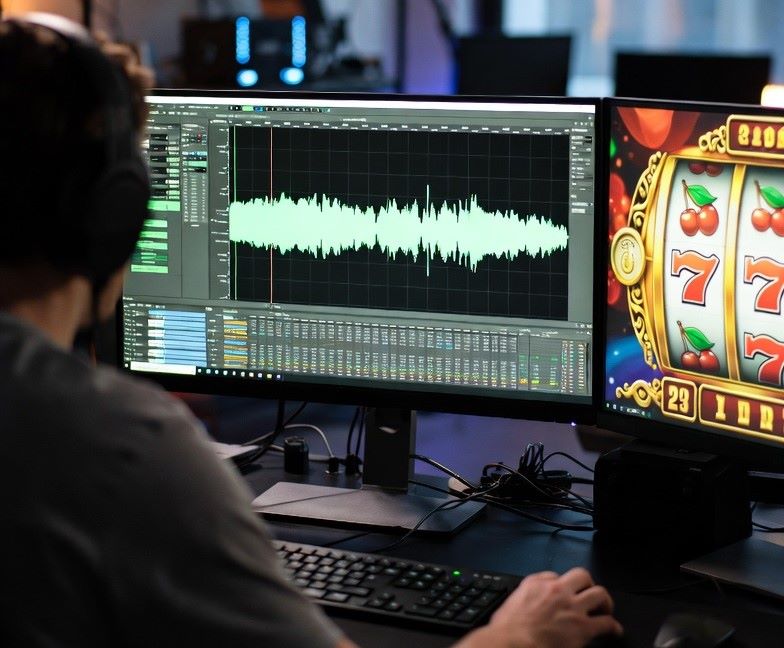
Music changes how the brain processes emotion and attention. According to the American Psychological Association, sound and rhythm can influence mood, focus, and even decision-making during interactive activities. That explains why many digital games feel strangely quiet and flat when you mute them. The graphics may still look great, but something essential disappears. Soundtracks give a game pulse. They guide players through excitement, suspense, and those small bursts of joy when luck finally swings your way.
Mobile slot platforms understand this better than most people realize. Visit games like Penta Slot, and you immediately notice how audio wraps around the visuals. Coins sparkle with a bright chime. Reels spin with a soft mechanical rhythm. A win triggers layered sounds that feel almost celebratory. It is a subtle design, yet powerful. Players often think they stay for the gameplay mechanics, though many remain because the entire experience simply feels good.
Why Music Shapes Player Mood
Games thrive on engagement. Music, surprisingly, is one of the quiet engines behind it.
Soundtracks influence the emotional tone of a game long before a player notices the details. Fast rhythms build excitement. Slower tones calm the mind. Even tiny sounds, like a reel clicking into place, help players feel progress. Game developers rely on this emotional guidance to create immersion.
A friend once joked that he could recognize his favorite slot game from across the room without looking at the screen. The sound of the bonus round was enough. That comment sounds funny, yet it highlights how powerful sound cues can be. Audio becomes a memory trigger. When players hear familiar tones again, the brain connects them with past wins, suspenseful moments, or late night gaming sessions.
Researchers at the University of Sussex have studied how music changes cognitive focus during tasks. Rhythmic audio can sharpen attention and increase engagement time. In other words, people stay longer when the sound environment supports the activity. Game studios quietly rely on that insight.
The Role of Audio Cues in Slot Games
Every sound inside a slot game has a job. Designers rarely add audio just for decoration. Instead, sounds act like signals that guide the player through the experience.
Consider a few examples from modern penta togel slots:
- Spin Sounds: The whirring or ticking noise while reels move builds anticipation.
- Near-Win Effects: Subtle pitch changes hint that something exciting almost happened.
- Bonus Round Music: Upbeat music signals a special moment and raises adrenaline.
- Winning Chimes: Short celebratory notes reinforce positive feedback.
These cues function like a conversation between the game and the player. A spin begins, the soundtrack whispers suspense. Symbols align, the audio lifts slightly. A jackpot lands, and suddenly the music erupts. It feels theatrical, almost like a mini movie scene. Remove the audio and the entire emotional arc weakens.
Some developers even experiment with layered soundtracks. Smaller wins might produce gentle tones, while large payouts trigger fuller musical sequences. The result feels dynamic, like the game reacts personally to each result.
Design Lessons for Game Sound Creators
Designing effective audio for gaming platforms requires more than adding catchy music. Sound designers must think about psychology, pacing, and player comfort.
One important rule is restraint. Loud music that repeats every few seconds quickly becomes annoying. Smart developers mix short audio cues with longer ambient tracks so the experience stays fresh. Players may spend long sessions on mobile games, so fatigue is a real risk.
Another tip involves timing. Audio should match the visual action exactly. A half second delay between a reel stopping and the winning sound breaks immersion instantly. Great designers treat sound like part of the gameplay mechanics, not an afterthought.
Finally, variety matters. People get bored quickly. That is why many platforms rotate multiple win sounds, bonus melodies, and background themes. The subtle variety keeps the experience lively without overwhelming the player.
Some studios even test audio changes the same way they test gameplay updates. Small groups of players try different sound versions. Developers measure engagement time and retention. If players stay longer with one soundtrack, the decision becomes easy.
Why Audio Keeps Players Coming Back
Gaming engagement often looks like a mystery from the outside. Why do people return to certain games again and again? Mechanics matter, of course. Visual themes help too. Yet sound remains one of the most underestimated ingredients. Modern platforms have evolved far beyond simple spinning reels. Many developers now treat slots as entertainment experiences built around audio, visuals, and pacing. A deeper look at how online slot games have transformed the landscape of gambling and entertainment shows how immersive design, music, and storytelling now shape the entire player journey.
A good soundtrack creates emotional rhythm. It builds anticipation, celebrates success, and softens the slow moments between wins. That rhythm encourages players to spin just one more time. Then maybe another.
The next time someone launches a game like Penta Slot, try a quick experiment. Turn the sound off for a few minutes. Then turn it back on. The difference becomes obvious. Suddenly, the reels feel alive again. The experience has tempo, energy, and personality.
