
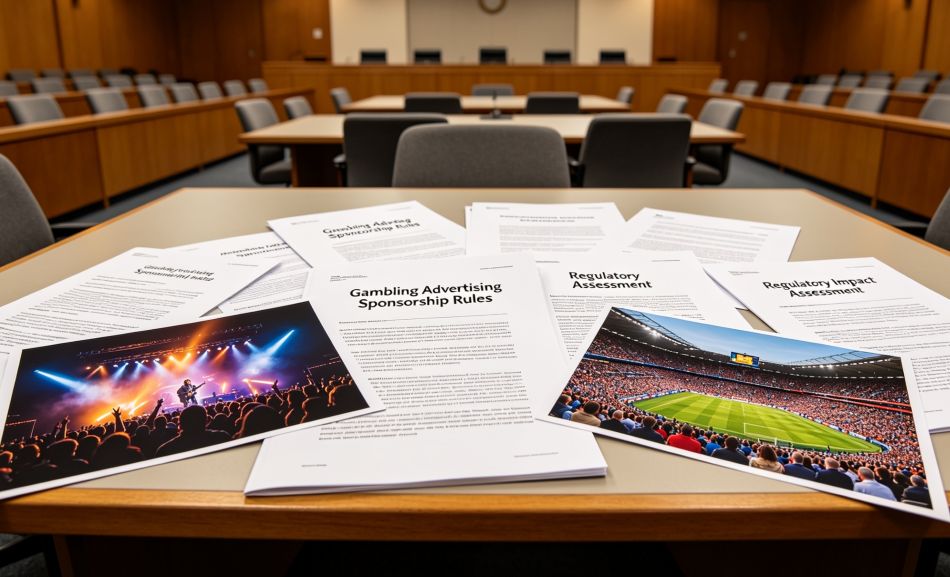
UK regulators are increasing scrutiny of gambling sponsorships as concerns grow over the visibility of unlicensed betting operators in sport. The British government has announced plans to consult on restricting sponsorship deals involving operators that do not hold a UK license, while the Premier League’s voluntary phase-out of front-of-shirt gambling sponsors has accelerated discussion about where betting brands may seek their next major marketing opportunities. UK Department for Culture, Media and Sport, BBC Sport, and Associated Press report that these changes are part of a broader effort to reduce consumer harm and curb exposure to illegal gambling platforms.
One emerging conversation centers on gambling sponsorship in music industry. While sports advertising faces tighter oversight, cultural events such as music festivals, concert tours, and live entertainment partnerships may become increasingly attractive for gambling companies seeking broad audiences and international visibility. The shift remains uneven, yet marketing analysts note that entertainment sponsorship offers brands a different pathway to maintain awareness without relying exclusively on traditional sports exposure.
The Problem: Sports Sponsorship Faces Growing Restrictions
Several Premier League clubs have previously partnered with offshore gambling operators whose services were unavailable to UK consumers but whose brands remained highly visible through football broadcasts. Reports from Bloomberg and the UK Department for Culture, Media and Sport explain that proposed reforms would close this loophole by preventing unlicensed operators from sponsoring British sports teams altogether. The government argues that even indirect brand exposure can encourage consumers to seek out unregulated websites that lack important safeguards.
These developments coincide with the Premier League’s voluntary decision to remove front-of-shirt gambling sponsors after the 2025-26 season. While sleeve sponsorships and other commercial placements remain possible, industry observers expect betting companies to diversify their promotional strategies rather than depend so heavily on football.
The Solution: Entertainment Becomes a New Branding Channel
Music festivals, arena concerts, nightlife events, and artist partnerships provide brands with large audiences that often extend across multiple countries. Unlike league competitions, entertainment properties operate under different commercial arrangements, creating opportunities for sponsorship packages that emphasize hospitality, VIP experiences, digital engagement, and lifestyle branding.
This approach is already familiar outside gambling. Research published by Nielsen Sports has consistently shown that music sponsorship helps brands reach younger adult audiences through memorable experiences rather than traditional advertising alone. As restrictions tighten in sports, entertainment events naturally become more attractive marketing platforms for companies seeking global recognition.
Some offshore betting firms connected with football sponsorships have also invested heavily in broader entertainment campaigns across Asia and other international markets. Although individual festival partnerships vary by jurisdiction, the underlying strategy reflects a wider effort to separate brand identity from stadium advertising while maintaining consumer visibility.
The Impact: Cultural Opportunities Meet Ethical Questions
The migration toward entertainment sponsorship raises fresh ethical debates. Music festivals often attract diverse audiences, including young adults who may be more vulnerable to gambling-related messaging. Public health advocates argue that expanding betting promotions into cultural spaces could reproduce concerns already associated with sports marketing.
Research from the UK Gambling Commission indicates that younger adults and frequent gamblers show higher engagement with unlicensed gambling websites than the general population. Consumer protection groups therefore argue that sponsorship rules should focus on audience exposure rather than the type of event involved.
Industry representatives take a different view. Organizations such as the Betting and Gaming Council support stronger action against unlicensed operators while maintaining that licensed companies should retain responsible advertising opportunities within regulated markets. This distinction reflects an ongoing debate about whether sponsorship itself is the problem or whether enforcement should focus primarily on illegal operators.
Looking Ahead
Marketing strategies evolve quickly when regulations change. As football sponsorship becomes more tightly controlled, music and live entertainment may attract greater interest from gambling companies searching for new audiences. Whether this shift ultimately reshapes the sponsorship landscape will depend on future regulation, public opinion, and how cultural organizations balance commercial revenue with social responsibility. The conversation is no longer limited to sports. It is increasingly about where gambling marketing belongs in modern entertainment.
